
People with diabetes should generally have a dilated or imaging-based diabetic eye exam at least once a year. Copper View Eye Care + Aesthetics in South Jordan checks for diabetic retinopathy, diabetic macular edema, and related problems, using widefield retinal imaging with the ZEISS CLARUS 500. Results can be shared with your primary care provider, and patients are referred to a retina specialist when treatment is needed.
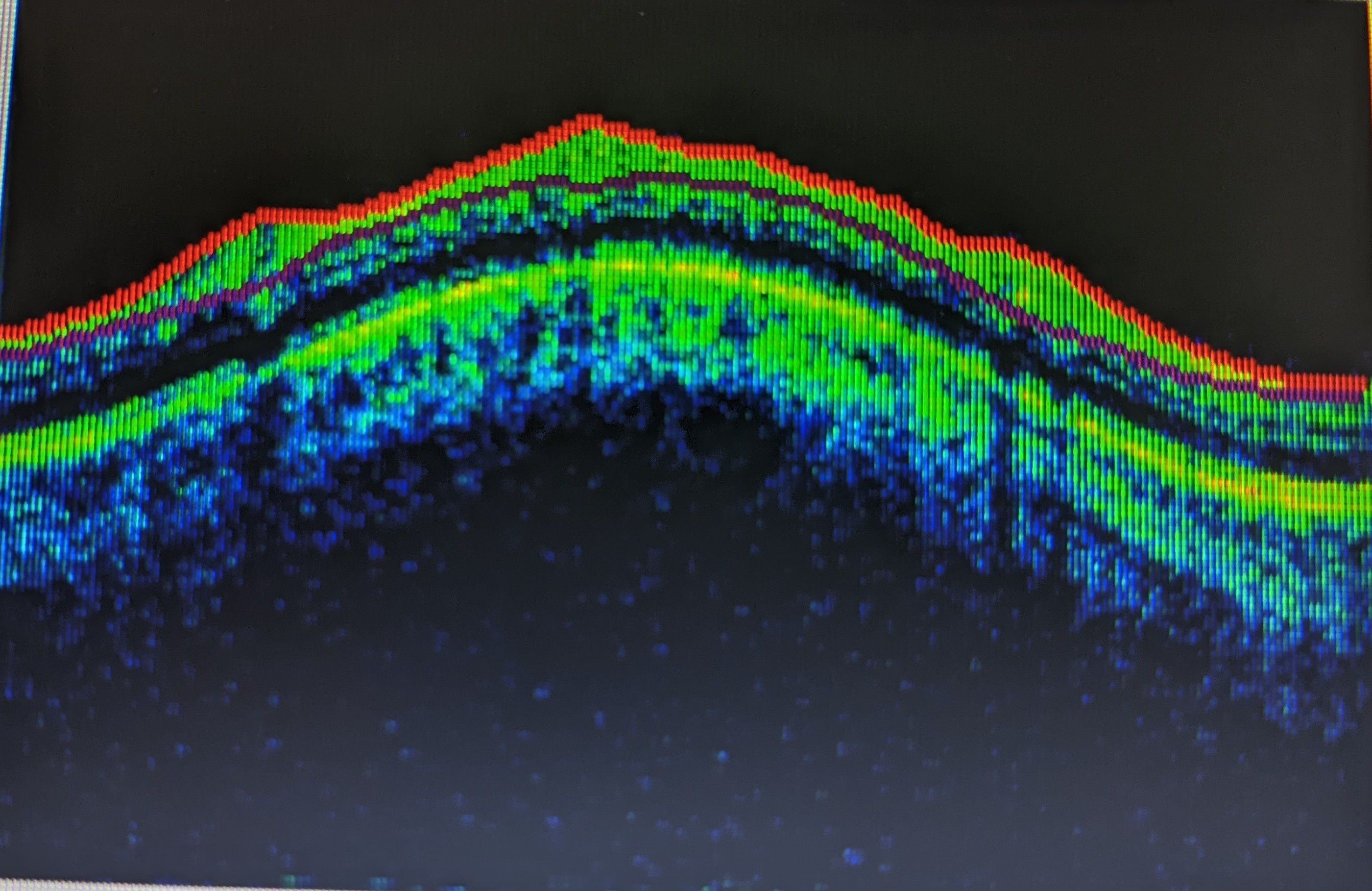

How diabetes affects the eyes
High blood sugar can damage the small blood vessels of the retina. Diabetic eye conditions include:
- Diabetic retinopathy, damage to retinal blood vessels
- Diabetic macular edema, swelling in the central retina
- Neovascular glaucoma, from abnormal new blood vessels
- Retinal detachment in advanced disease
People with diabetes also tend to develop cataracts earlier.
Why symptoms aren’t a reliable guide
Early diabetic retinopathy usually causes no symptoms. By the time vision blurs, disease may be advanced. That’s why yearly exams matter even when you see well.
What the exam includes
- Vision and eye pressure check
- Slit lamp exam
- Widefield retinal imaging with the ZEISS CLARUS 500 and, when needed, dilation
- A written report for your primary care provider or endocrinologist, on request
If we find retinopathy
Mild changes may just need closer monitoring. More significant disease is referred to a retina specialist for treatment.
Frequently asked questions
How often do I need a diabetic eye exam?
At least once a year for most people with diabetes, and more often if retinopathy is found or during pregnancy.
Does Medicare cover diabetic eye exams?
Medicare Part B covers an eye exam for diabetic retinopathy once a year for people with diabetes, when done by an eye doctor legally allowed to do it in your state. See Medicare.
Can diabetic eye disease be prevented?
Good blood sugar, blood pressure, and cholesterol control lowers the risk. Regular exams catch changes early, when treatment works best.