
Punctal plugs are tiny devices placed into the lacrimal puncta, the small tear drainage openings at the inner corners of the eyelids. They slow drainage so tears stay on the eye longer. Copper View Eye Care + Aesthetics in South Jordan places dissolvable and longer-lasting plugs in the office, usually for aqueous-deficient dry eye once surface inflammation is controlled.
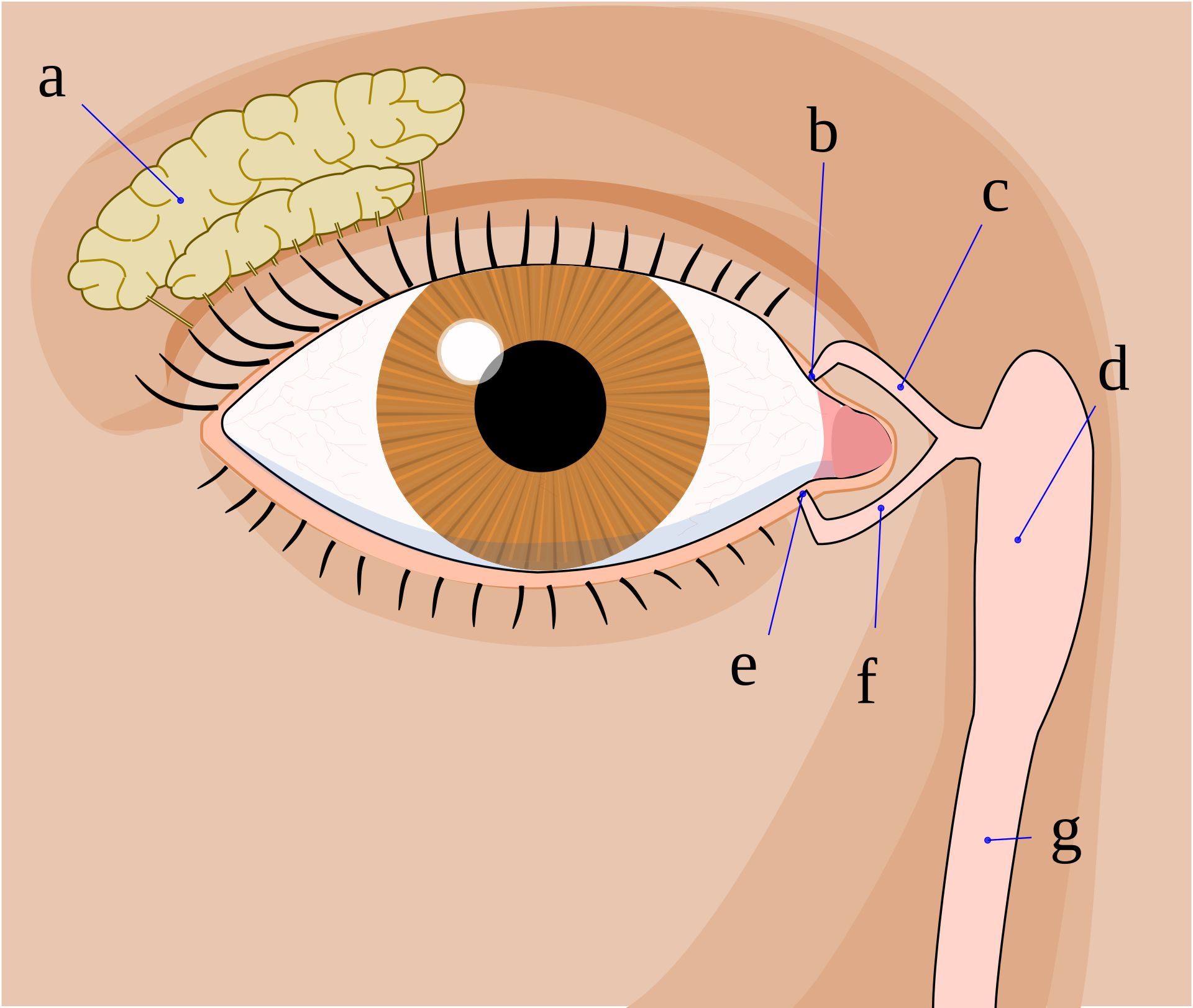

How tear drainage works
Tears are made by the lacrimal gland and drain away through two small openings at the inner corners of the eyelids, called the lacrimal puncta, into the nose. Punctal plugs partially block those openings, so the tears you make stay on the eye longer.
Important: punctal plugs go into the tear drainage openings, not into the meibomian glands. The meibomian glands are oil glands along the eyelid margin, and they are treated differently.
Who is a good candidate
- Aqueous-deficient dry eye, where the eyes don’t make enough watery tears
- Patients who use artificial tears frequently with only short relief
- Some contact lens wearers with dryness
Plugs work best when inflammation is under control. Holding inflamed tears against the eye can make some people feel worse, so we often treat inflammation first. If your dry eye is mainly evaporative from meibomian gland dysfunction, plugs alone usually aren’t the answer.
Types of plugs
- Dissolvable plugs last a limited time and are a good trial to see whether plugs help.
- Longer-lasting plugs, usually silicone, stay in place until removed or dislodged.
Placement
Placement takes a few minutes in the office. The opening may be gently widened, and the plug is inserted with a fine instrument. You can return to normal activities right away.
Possible side effects
Mild irritation, watering, plug loss, and, uncommonly, infection or plug migration. A Cochrane review found that evidence for plugs varies, which is why we use them selectively.
Frequently asked questions
Where exactly do punctal plugs go?
Into the lacrimal puncta, the tiny drainage openings near the inner corner of the upper and lower eyelids. They do not go in the meibomian glands, which are the oil glands along the lid margin.
Does getting punctal plugs hurt?
Placement is quick and usually painless or mildly uncomfortable. Most people feel little once the plug is in.
Can punctal plugs fall out?
Sometimes. Plugs can come out on their own, often without the patient noticing. If symptoms return, we can check and replace them.
Are punctal plugs covered by insurance?
Plug placement is often billed to medical insurance when medically indicated. Coverage depends on your plan, and we can verify it for you.
Will plugs make my eyes water?
Occasionally, especially if tear production is not low. That's one reason we evaluate tear volume first and may start with temporary plugs.
Sources and further reading
- Ervin AM, Law A, Pucker AD. Punctal occlusion for dry eye syndrome. Cochrane Database of Systematic Reviews. 2017;6:CD006775.
- Jones L, et al. TFOS DEWS II Management and Therapy Report. The Ocular Surface. 2017;15(3):575-628.
- American Academy of Ophthalmology. What Is Dry Eye? Symptoms, Causes and Treatment.