
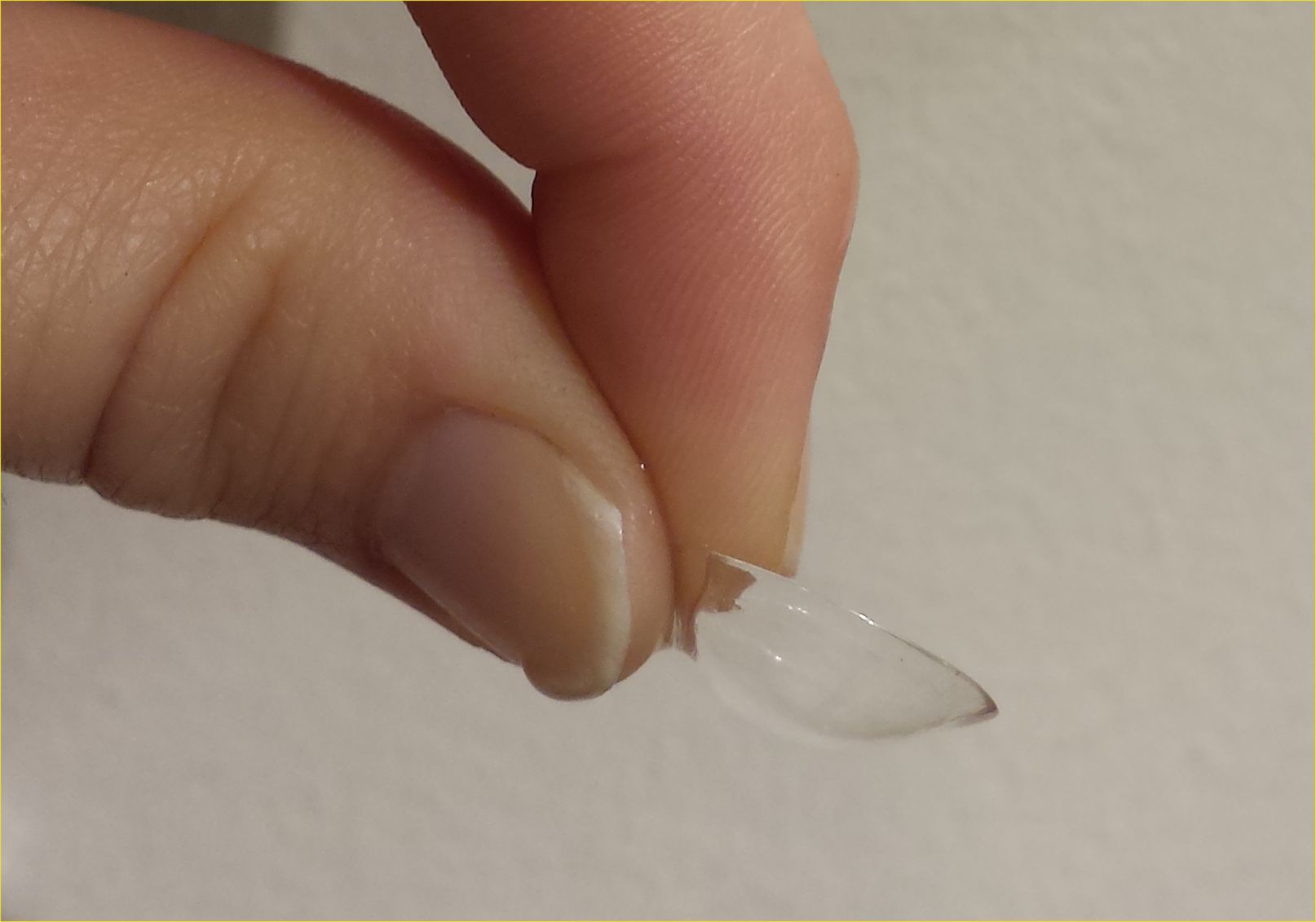
Scleral lenses are large rigid gas permeable contact lenses that rest on the white of the eye (the sclera) and vault over the cornea, holding a layer of saline between the lens and the eye. Copper View Eye Care + Aesthetics in South Jordan fits scleral lenses for keratoconus, irregular corneas, post-surgical eyes, high prescriptions, and severe dry eye, using corneal topography to guide custom designs.

Who may benefit
- Keratoconus and other corneal ectasias
- Irregular corneas after surgery, injury, or transplant
- High astigmatism or prescriptions not well corrected by soft lenses
- Severe dry eye and ocular surface disease
- People who couldn’t tolerate other contact lenses
How they work
The fluid reservoir behind a scleral lens fills in the irregularities of the cornea, creating a smooth optical surface. Because the lens rests on the less sensitive sclera, many people find it more comfortable than smaller rigid lenses.
The fitting process
- Corneal topography and eye health evaluation
- Diagnostic lens fitting
- Custom lens design and order
- Insertion, removal, and care training
- Follow-up visits to fine-tune fit and vision
Frequently asked questions
Are scleral lenses hard to put in?
There's a learning curve, but most patients become comfortable with insertion and removal after training and practice.
How long can I wear scleral lenses each day?
Many patients wear them for most of the day. Some need to remove, rinse, and refill the lens midday. We'll set a schedule for you.
Does insurance cover scleral lenses?
Some plans cover scleral lenses when medically necessary, for example with keratoconus. We help verify benefits.
Sources and further reading
- Bae SS, et al. Outcomes of scleral lenses for dry eye disease in chronic ocular graft-versus-host disease. Contact Lens and Anterior Eye. 2023;46(1):101721.
- Gomes JAP, et al. Global Consensus on Keratoconus and Ectatic Diseases. Cornea. 2015;34(4):359-369.
- American Academy of Ophthalmology. What Is Keratoconus?