
Age-related macular degeneration (AMD) damages the macula, the part of the retina responsible for sharp central vision. Copper View Eye Care + Aesthetics in South Jordan monitors AMD with retinal examination and ZEISS CLARUS 500 widefield imaging, advises on risk reduction, and refers to a retina specialist promptly if wet AMD is suspected.

Risk factors
- Age over 50
- Family history of AMD
- Smoking
- Light skin and eye color
- Cardiovascular disease and high blood pressure
How we monitor AMD
Widefield retinal imaging provides a detailed view of the macula and retina that can be compared year to year. If we see signs of wet AMD, we refer to a retina specialist quickly, because early treatment matters.
What you can do
- Don’t smoke
- Eat a diet rich in leafy greens and fish
- Protect your eyes from UV light
- Keep regular eye exams
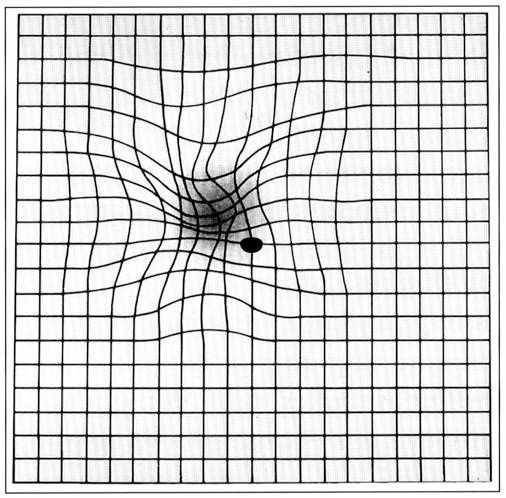
- Check each eye’s central vision at home, as we recommend
Frequently asked questions
What is the difference between dry and wet AMD?
Dry AMD is more common and progresses slowly. Wet AMD involves abnormal blood vessels that leak fluid under the retina and can cause faster vision loss. Wet AMD is treated by retina specialists.
Do eye vitamins help macular degeneration?
For people with intermediate or advanced AMD in one eye, the AREDS2 supplement formula was found to lower the risk of progression. They aren't shown to prevent AMD in people without it. Ask us before starting supplements.
What are warning signs of wet AMD?
Straight lines looking wavy, a new dark or blank spot in central vision, or a sudden decline in central vision. Call us promptly if you notice these.