
Orthokeratology, or ortho-k, uses custom rigid gas permeable lenses worn overnight to gently and temporarily reshape the cornea, so you can see clearly during the day without glasses or contacts. Copper View Eye Care + Aesthetics in South Jordan fits ortho-k for children and adults. Research shows ortho-k can also slow myopia progression in children, by roughly half on average compared with standard single-vision correction in some studies.
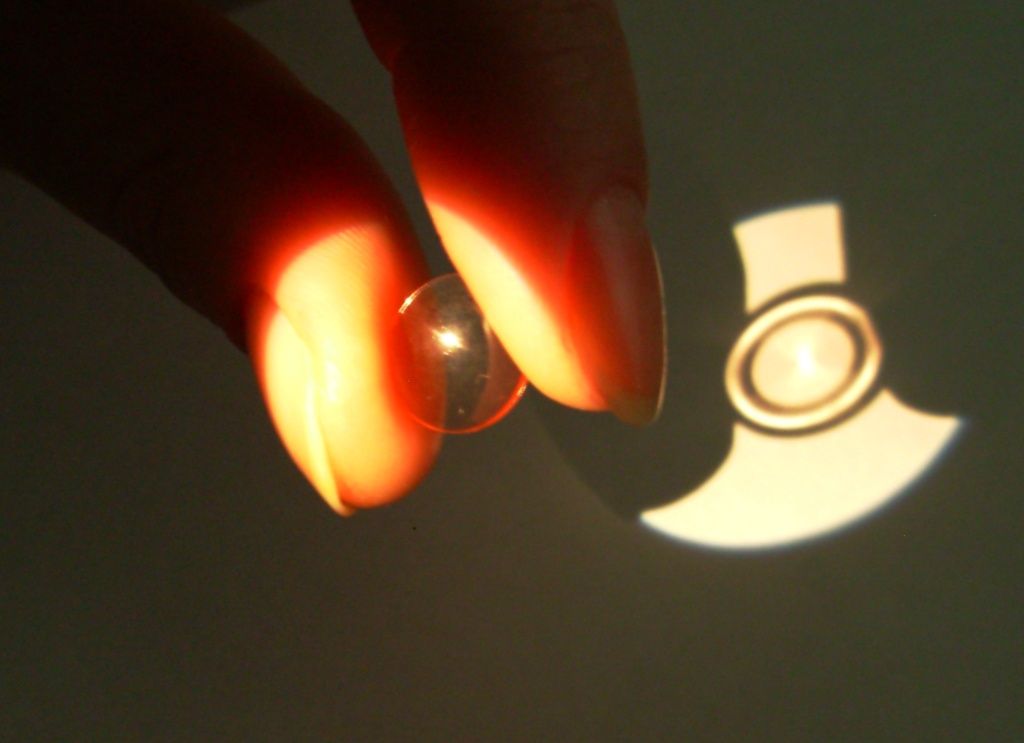

How ortho-k works
Ortho-k lenses are custom designed from a map of your cornea. Worn overnight, they gently flatten the central cornea, correcting nearsightedness. In the morning, you remove the lenses and see clearly. Lenses must be worn consistently, because the cornea returns to its original shape without them.
Ortho-k for myopia control
Beyond clear daytime vision, research indicates ortho-k slows the progression of nearsightedness in children. Results vary from child to child, and ongoing follow-up tracks how well it’s working. See myopia management.
The process
- Screening with corneal topography to check candidacy
- Custom lens design
- Dispensing and training
- Follow-up visits, often including a morning visit after the first night
Safety
Clean hands, proper lens care, and regular follow-up visits lower the risk of infection. Call us right away if an eye becomes red or painful.
Frequently asked questions
Is ortho-k safe for kids?
Ortho-k is widely used in children. As with any overnight lens, the main risk is infection, so careful hygiene and regular follow-up are essential.
Is ortho-k permanent?
No. The effect is temporary. If you stop wearing the lenses, the cornea gradually returns to its original shape.
Who is a good candidate for ortho-k?
Many people with mild to moderate nearsightedness and some astigmatism, including children whose myopia is progressing. A screening visit with corneal topography determines candidacy.
Sources and further reading
- Wildsoet CF, et al. IMI: Interventions for Controlling Myopia Onset and Progression Report. IOVS. 2019;60(3):M106-M131.
- Bullimore MA, et al. IMI: Interventions for controlling myopia onset and progression 2025. Contact Lens and Anterior Eye. 2026;49:102743.
- Holden BA, et al. Global prevalence of myopia and high myopia and temporal trends from 2000 through 2050. Ophthalmology. 2016;123(5):1036-1042.